


I understand emotional intelligence as a person’s ability to recognise, manage, and regulate their own emotions in ways that do not harm others. Such people tend to show empathy, bring calm into tense spaces, and build meaningful, supportive relationships. But then there are those I consider emotionally illiterate: those people whose words and attitudes lack awareness, sensitivity, and care. I have learned to avoid them where I can. In this memory, I encountered both.
I was discharged from the clinic two days after the cardiac scare, just in time for my younger son’s visit over the 2001 Christmas holiday season. Although we’ve been in touch with him over the telephone since the beginning of the cancer ordeal, he missed the hairiest part thereof. I don’t think he ever realised the depth of the trauma his siblings were absorbing.
Having all three of my children under my roof again, albeit for just a few days, was unspeakable joy. Previously, after the boys moved back to Cape Town to live with their father, Karen and I tried to make the best of the festive days, but there was always a void that could not be filled because the boys were not there.
This would have been the ideal time to clear up some misunderstandings between us and thus forge a closer bond. However, we were not keen on spoiling these few precious days together by dwelling on the trials and tribulations of the previous months. We also had no desire to talk about the years we weren't together or about everything that led to that. We just wanted to enjoy this time together. Unfortunately, some opportunities pass and are seldom repeated. In some respects, we would only clear up some unnecessary obstacles between us much later.
Soon, the holidays ended, and the boys both returned to Cape Town. Karen started her final year at school, and I was finally able to drive myself to work. But first, I had appointments with the cardiologist and the oncologist.
According to the cardiologist, my blood tests revealed that my cholesterol was very high, and he gave me a prescription for a course of statins. An ultrasound scan revealed a prolapsed heart valve, but on the return visit after six months, this problem seemed to have resolved on its own. I resumed treatment with the low-dose beta-blocker I used previously to keep my heart in rhythm, and that was the last I saw of the “looker” so much admired by the ladies in the ICU.
The oncologist prescribed a five-year course of Tamoxifen for me, a treatment meant to prevent the return of the oestrogen receptor-positive breast cancer I was diagnosed with. I was also promoted from three-monthly to six-monthly check-ups at the oncology clinic.
Both the problematic menstrual cycle and migraines that had plagued me before disappeared from my life when I had the mastectomy and subsequent chemotherapy treatment. Once I was able to drive my car and get back into my career, I felt on top of the world, physically and mentally.
I was sick and tired of wearing hats all the time, especially during the height of a very hot African summer. I was elated when I noticed new hair growth about four months after my last treatment, but then I had to deal with ingrown hair. Walking from one meeting room to another at work, I usually detoured across the catwalk to fall onto the closest toilet seat, rip my hat off, and scratch my itching scalp. Karen tried to come to my aid by digging out the ingrowing hair with a needle or a shaving blade, but then I developed sores on my scalp and had to use a vile-smelling ointment to combat infection.
It was during this time that I met Annie (not her real name, but one I’ve chosen for this story). She was a beautiful woman, small in stature, but with a dynamic personality. She also worked at the bank where I was employed, but in a different department.
We always met in one of the dedicated smoking rooms that our employer provided in accordance with the new smoking laws. Annie noticed me in the corner of the smoking room, where I was surreptitiously trying to scratch my itching scalp under the hat. She came over to introduce herself and immediately told me to take off the hat and stop worrying about curious people staring at my bald head. I just laughed at the suggestion; I was not that brave. I wanted an everyday life, remember? That included having hair on my head and people not staring at me, and I hated answering questions about my illness. For the period when I could not have that kind of privacy, the hat would have to do.
From the first time we met, we became steadfast friends, meeting as often as possible in one of the smoking rooms or in the cafeteria. I am not a spiritual person, and neither was Annie, but when she was unexpectedly diagnosed with cancer a few months later, both of us wondered whether our meeting was just a coincidence. As I was on the mend, I tried to support her during the trying time of her diagnosis and treatment as well as I could.
Both of us were divorced and living quietly. We mostly talked about our failed marriages and how difficult it was to make friends without attracting the wrong kind of attention. Men still seemed to regard divorced women as a legal target for unwelcome advances in those days. Sad, but true.
The bank always offered a wide variety of courses and interventions, during which we discussed new coping mechanisms and received support in our daily efforts to keep our heads above water, both mentally and physically. Banking is a stressful job at the best of times, and we made extensive use of these services. As it happened (coincidence again?) Annie and I both attended an intervention about emotional intelligence, presented by an outside company.
At a certain point, the discussion turned to people suffering from emotional and mental problems, who also tended to fall prey to physical illness. One person offered the opinion that “people with diseases like cancer are asking for these diseases due to their own stupidity and inadequate inner strength.” Both Annie and I believed that emotional distress, such as chronic stress, anxiety, or sadness, can cause physical illness. Our own lives were a testament to that fact. But who ASKS for these diseases? We were both deeply hurt by the disrespectful and inconsiderate way the argument was presented, and we quietly left the lecture hall. Annie succumbed to cancer not long after, and I still cry when I remember the shock in her eyes at hearing that stinging verdict.
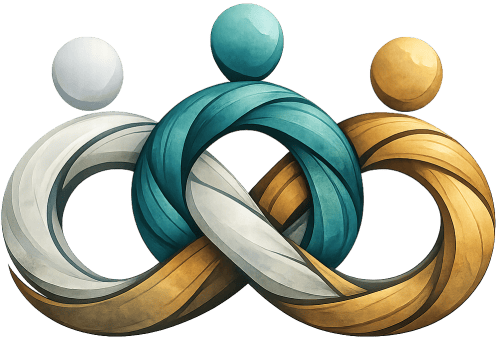
Feautured image: AI illustration of emotional illiteracy stemming from inner chaos and lost connection, resulting in verbal expressions that cause hurt and frustration.

Weet nie of jy ooit Ted Lasso gekyk het nie, maar Roy het die F-woord gereeld gebruik en dit so mooi gedoen. Selfde respons wat ek het
https://www.youtube.com/watch?v=bYuP4CCyW3s
Ted Lasso
“You know what the happiest animal on earth is? It’s a goldfish. You know why? It’s got a 10-second memory.”
People who utter such heartless words, are usually scared shitless by their inability to acknowledge their own frailties. I admire you and this blog is a wonderful testament to you and your grit in facing all and everything to live a full life. So priveleged to call you friend.
Thank you for being my friend.
Jinne toggie, wat ‘n onsensitiewe persoon!Ek geniet jou insiggewende skrywes, Hester. Dis baie betekenisvol vir mense wat ook daardeur gaan.
Ek het baie keer gedink dat die mense rondom jou wat soveel te sê het en hulle opinies meer skade doen as die siekte self.