

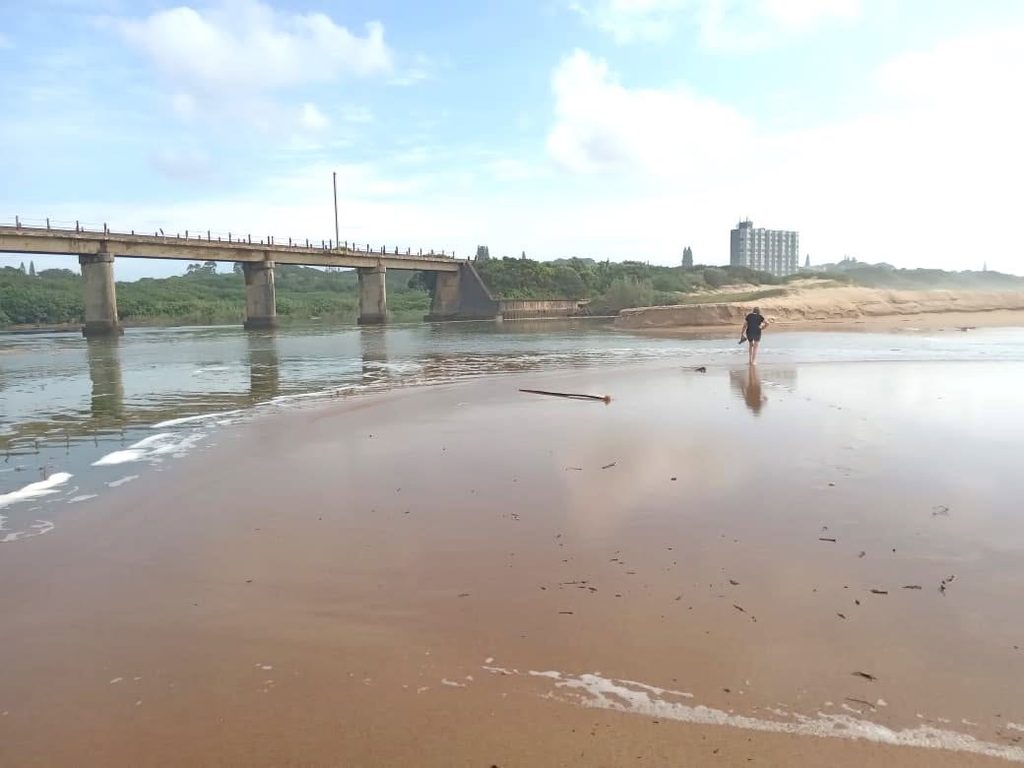
While we waited for the final COVID restrictions to lift, our days took on their own rhythm. We walked the beaches between Hibberdene and Port Edward, sometimes covering five or seven kilometres without giving much thought to the distance. We swam whenever we found water.
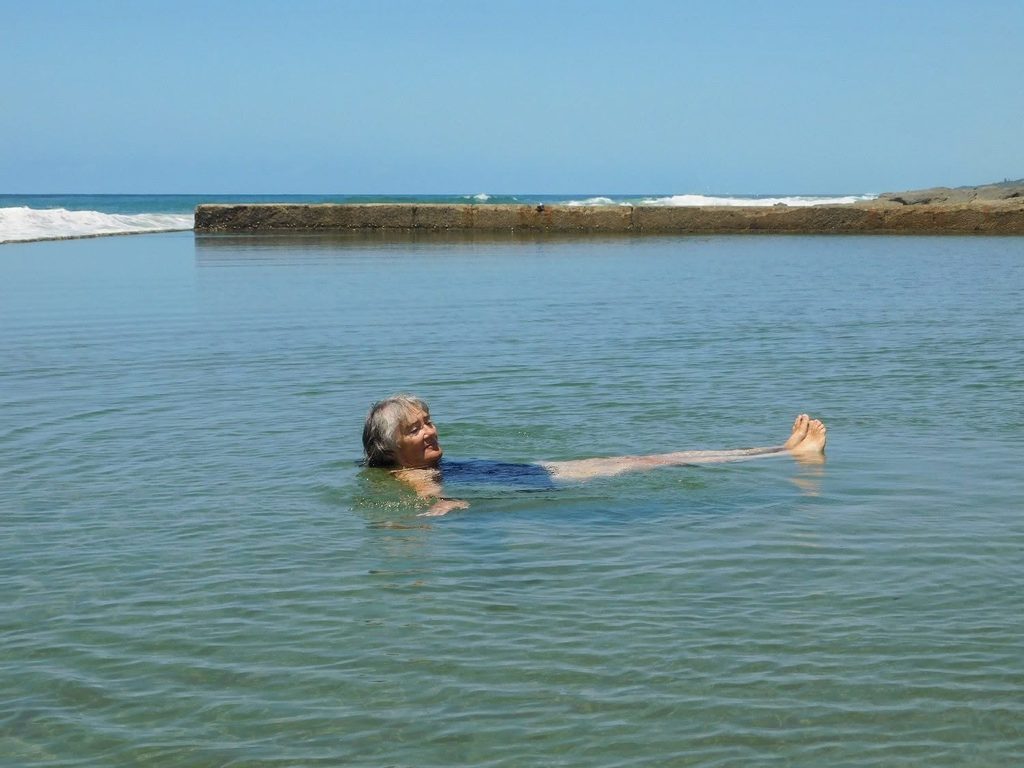
The sea, of course, was my first choice. I am a water baby and have never understood the concept of staying out of water when there is perfectly good water available. We swam in the waves and in the little tidal pools left behind when the tide went out. We swam in the more civilised freshwater swimming pools when we came across them. If there was water, I wanted to be in it.
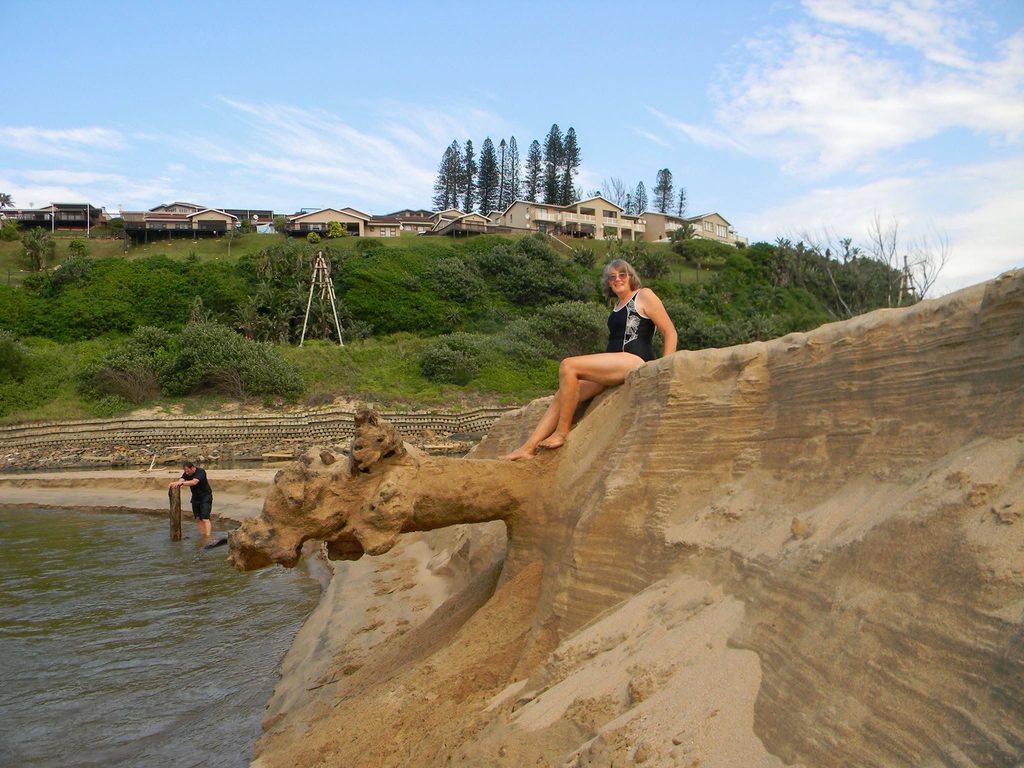
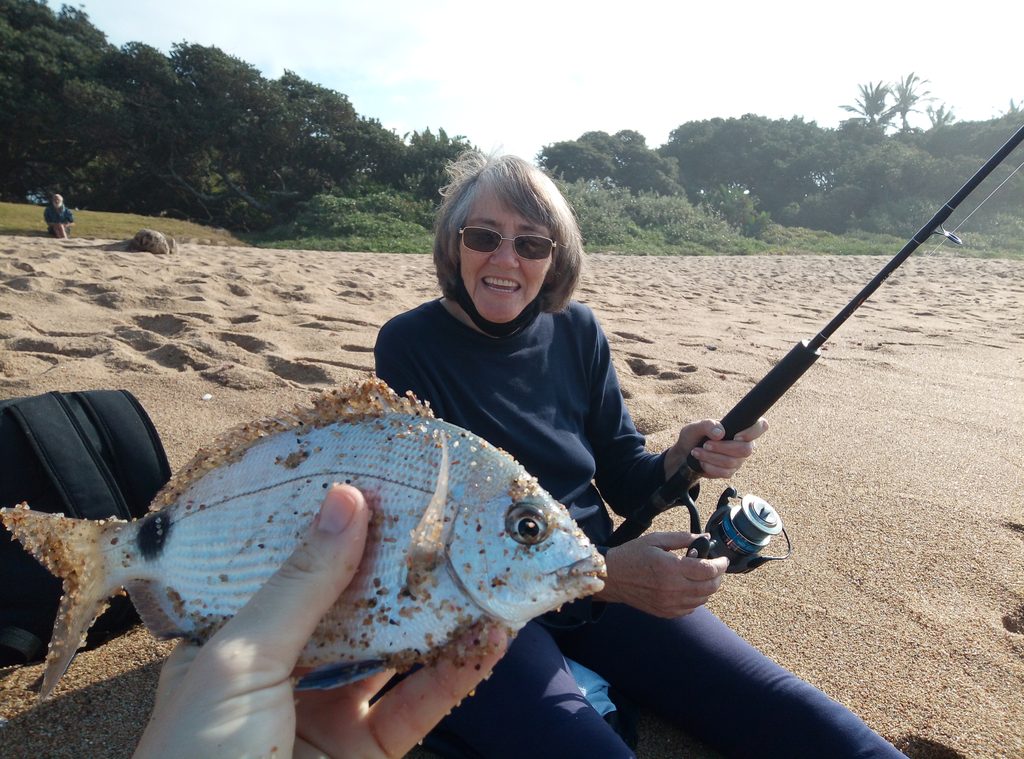
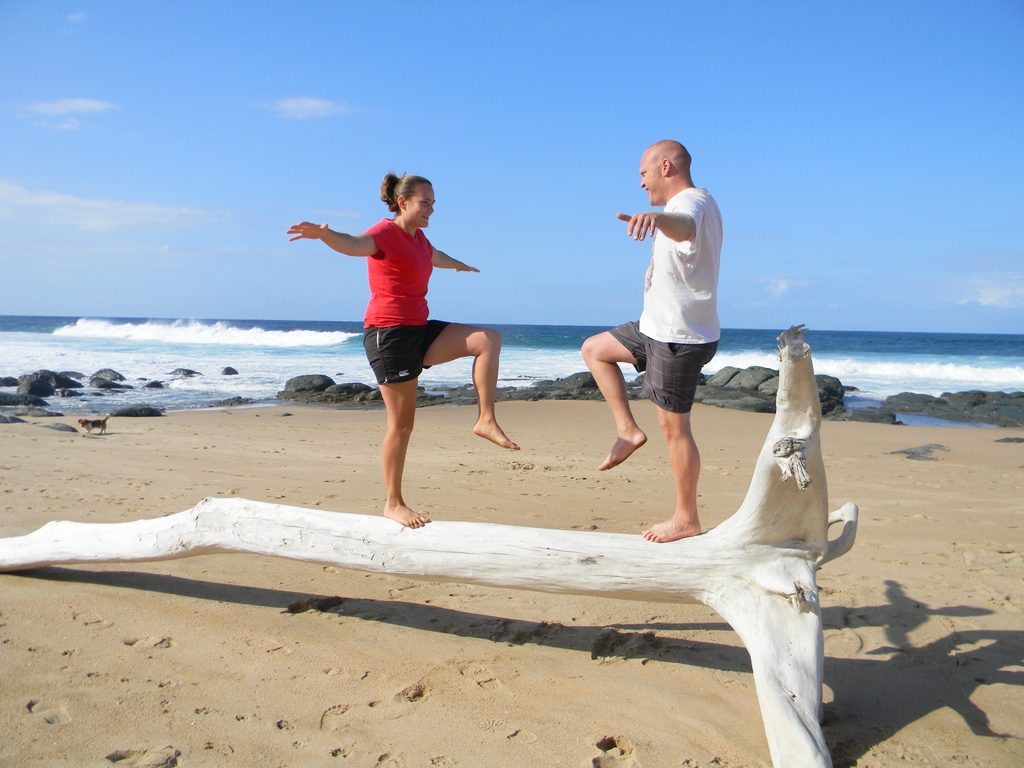
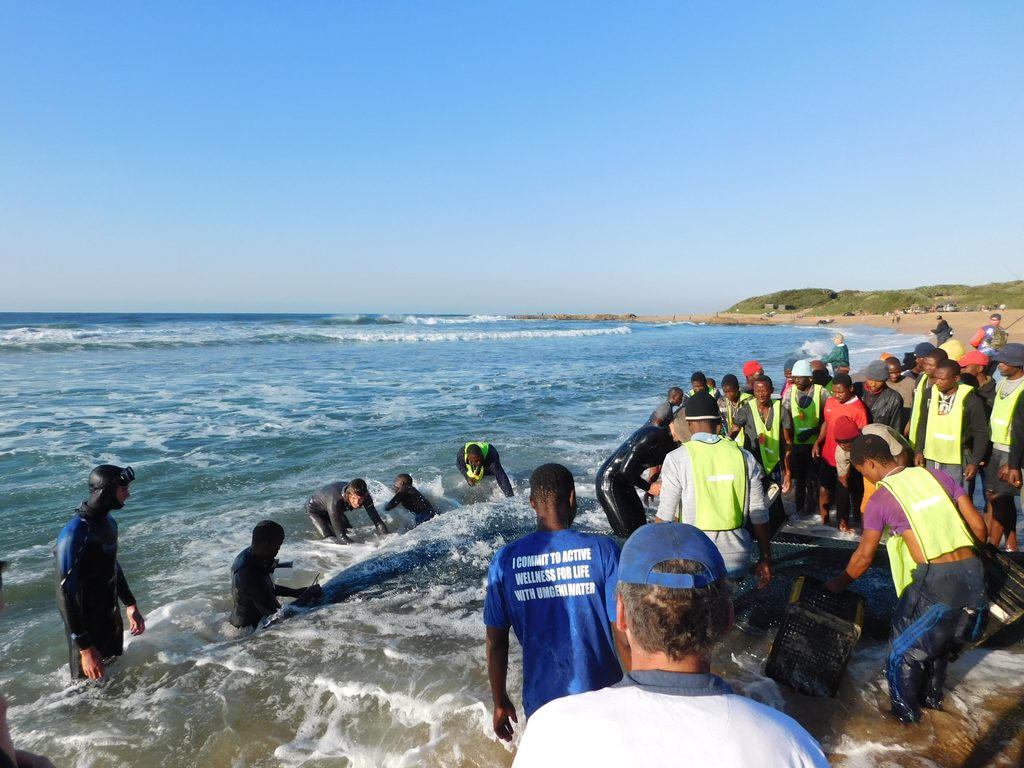
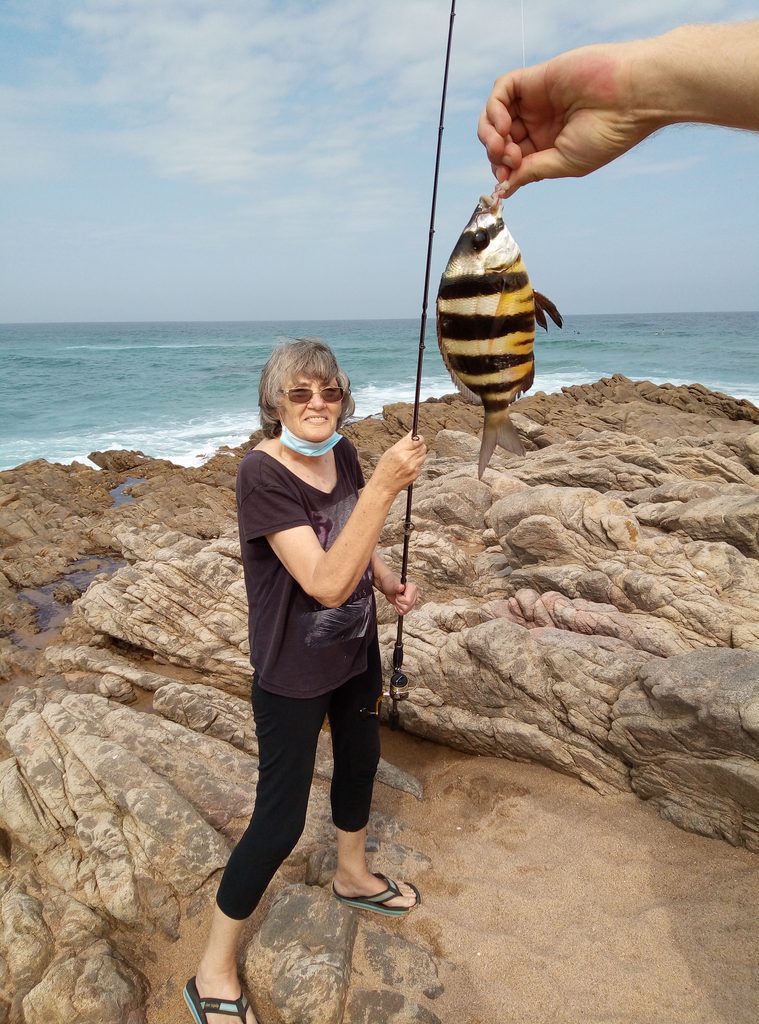
Luckily for us, we lived close enough to the beach to walk there whenever the weather allowed. When we got tired of our home beach area, we donned our masks, drove down the coast, and found a new beach or tide pool to spend the day in the sun. Here are a few photos from that time.
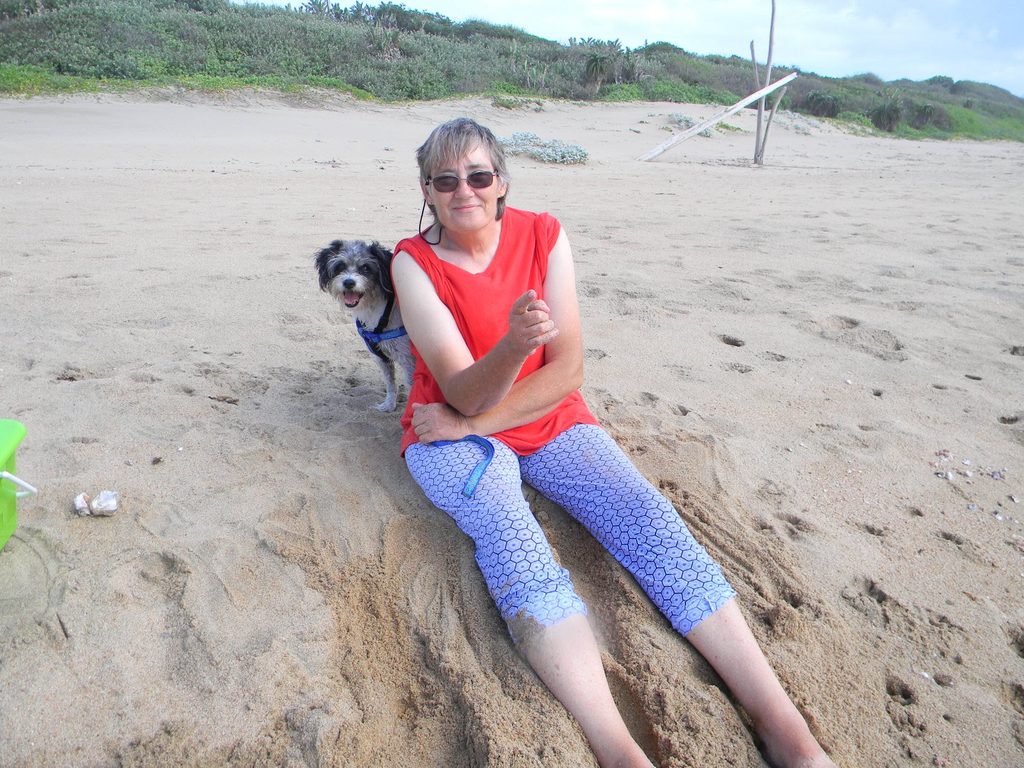
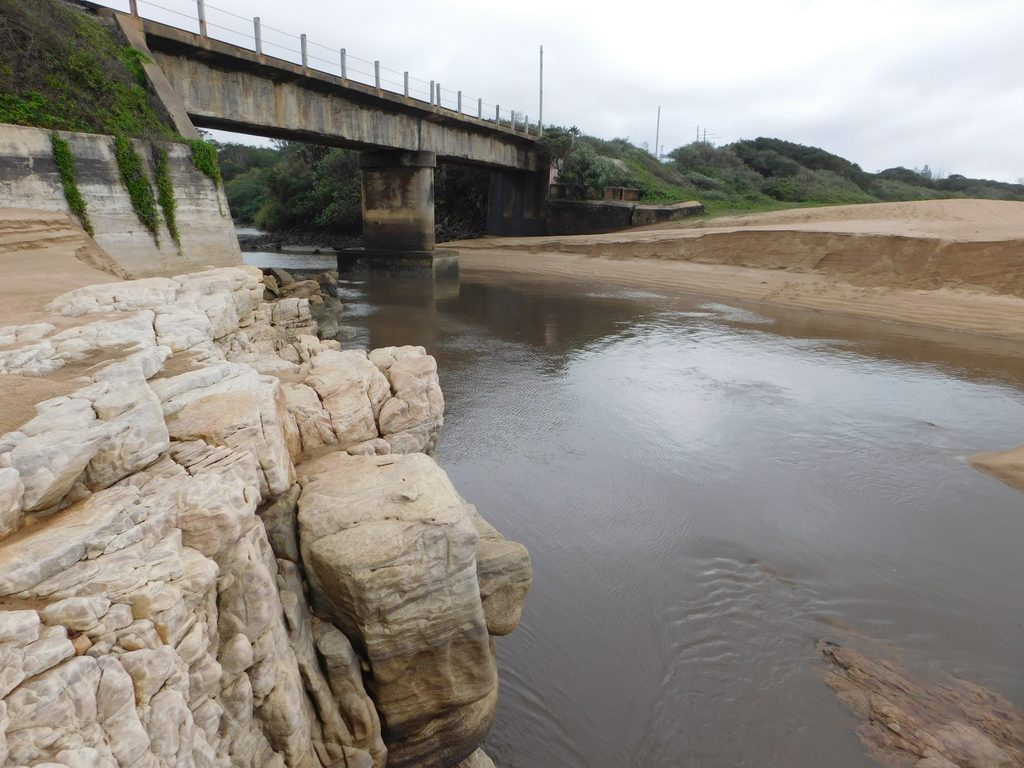
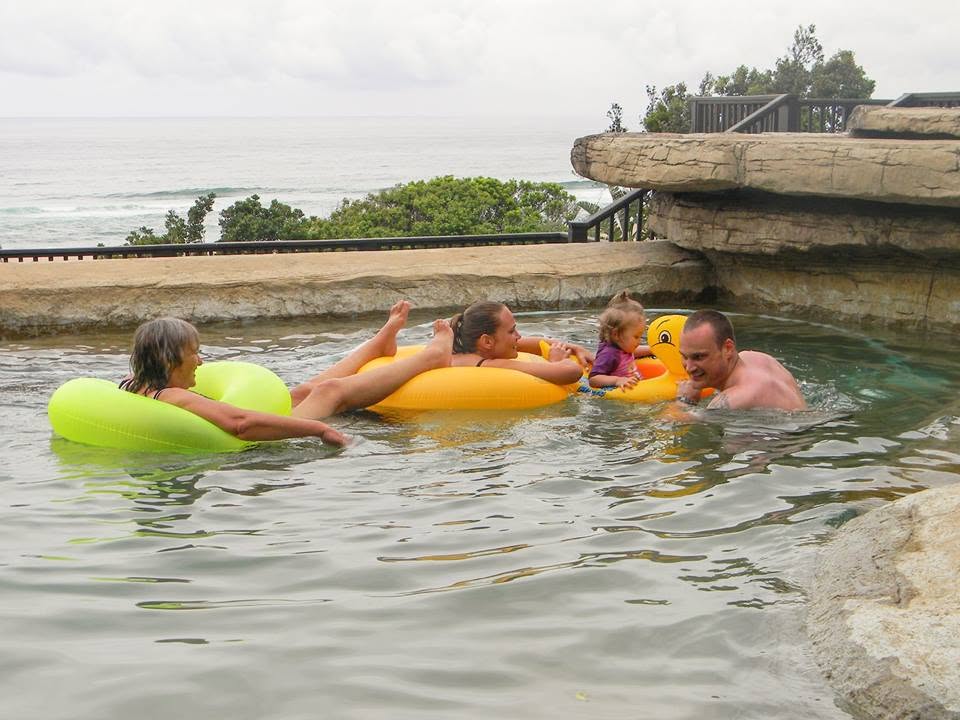
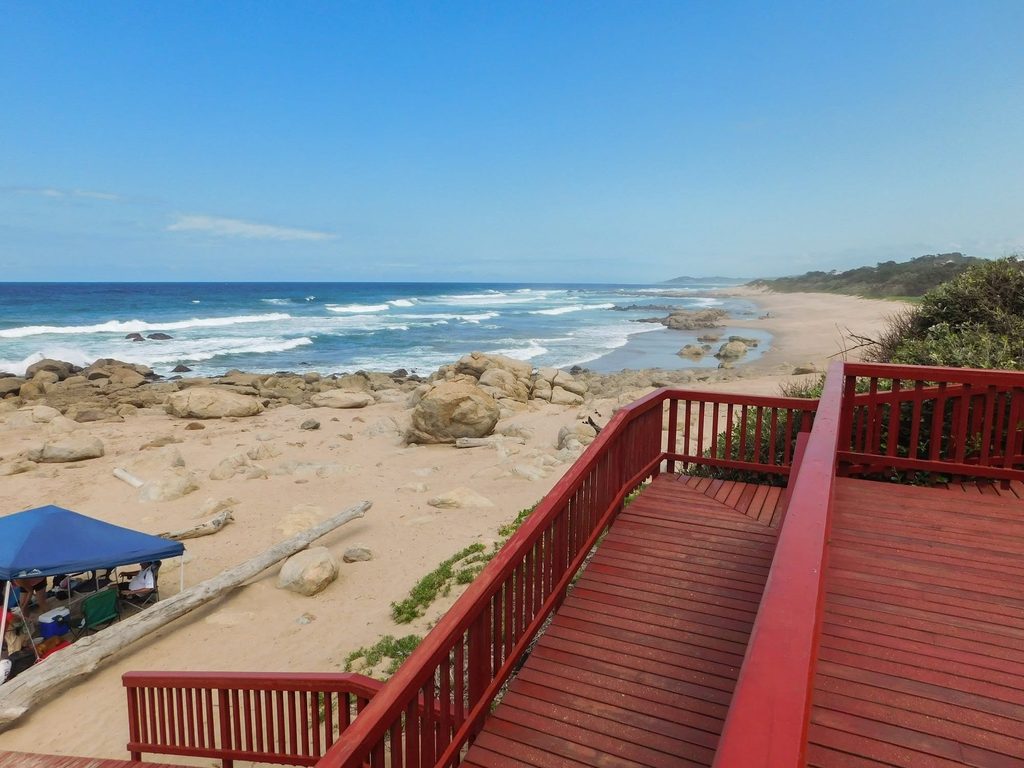
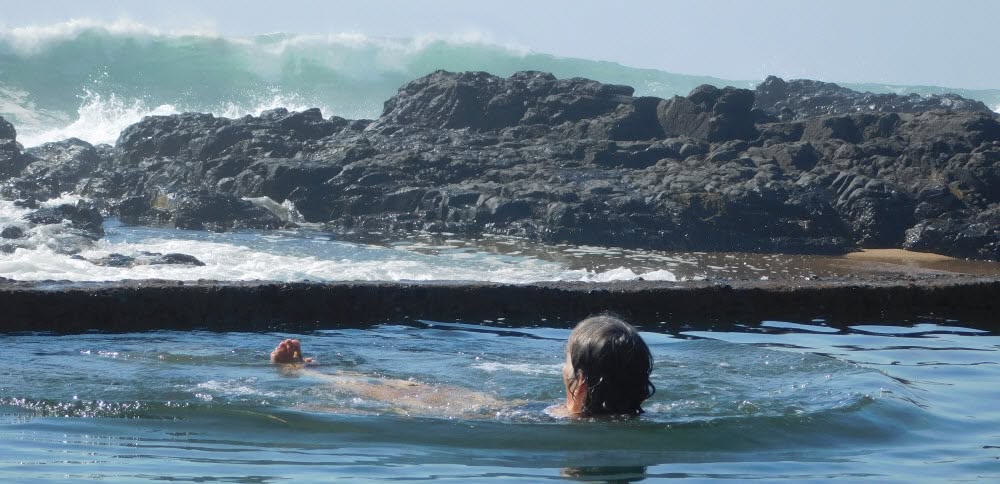
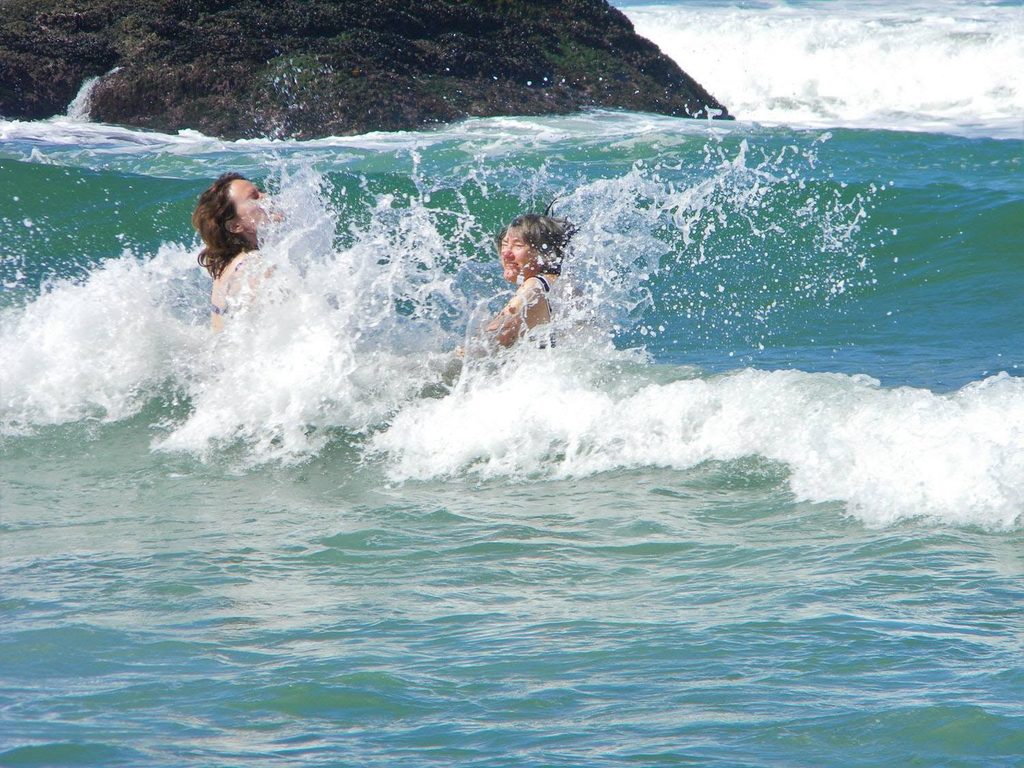
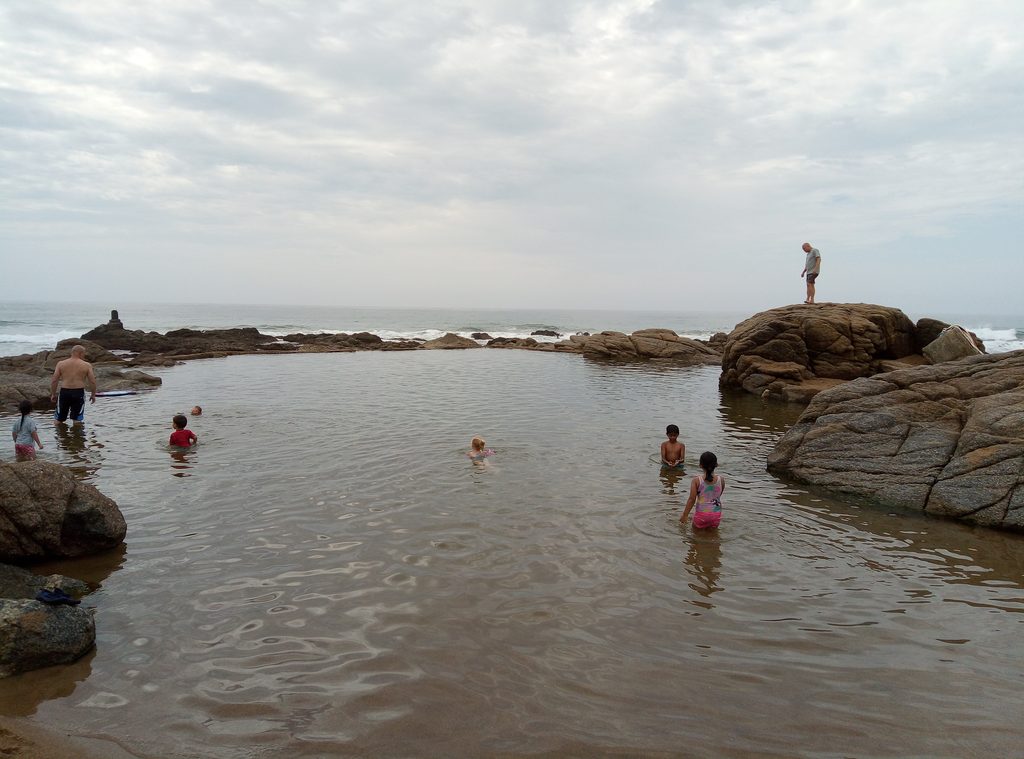
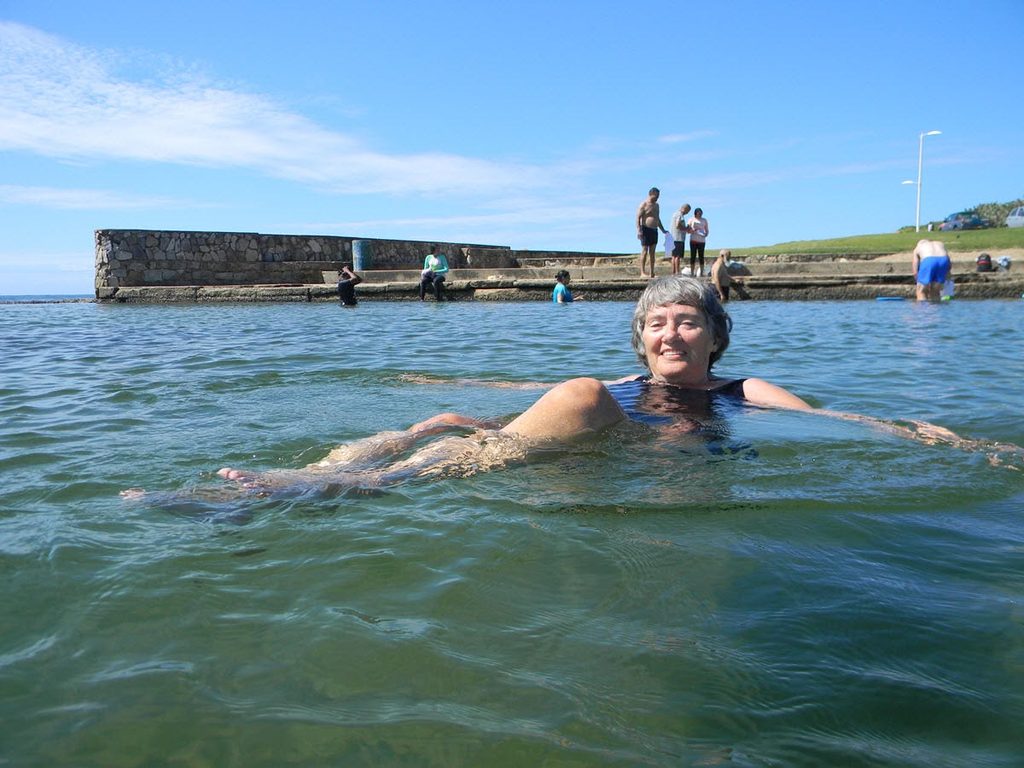
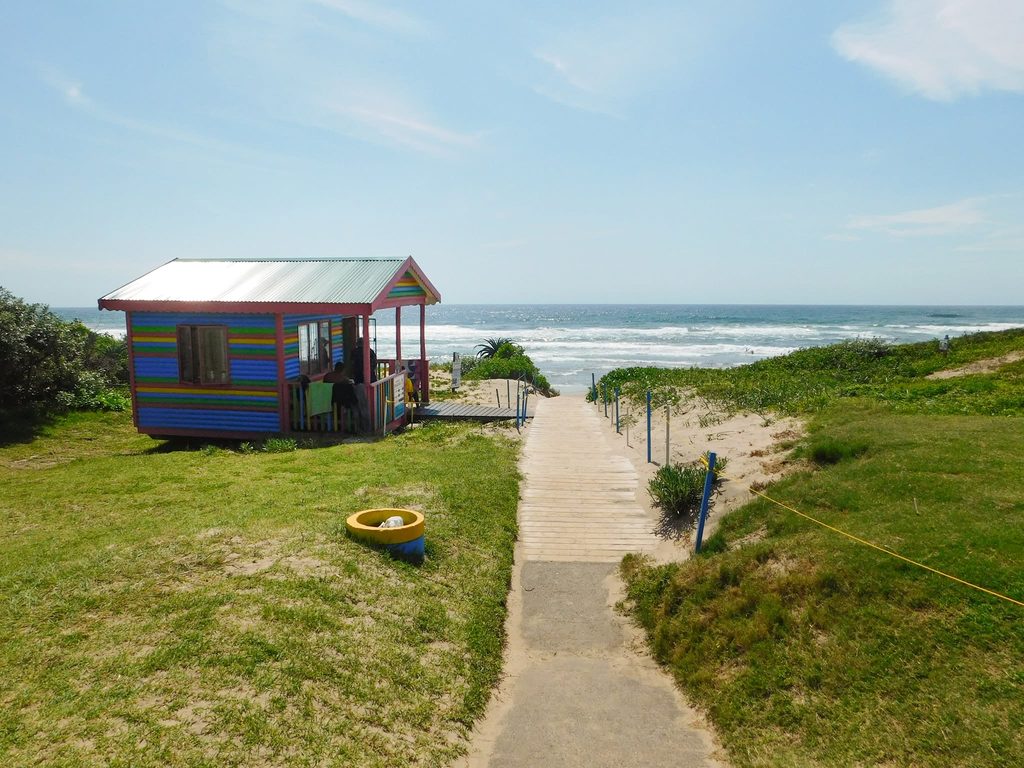
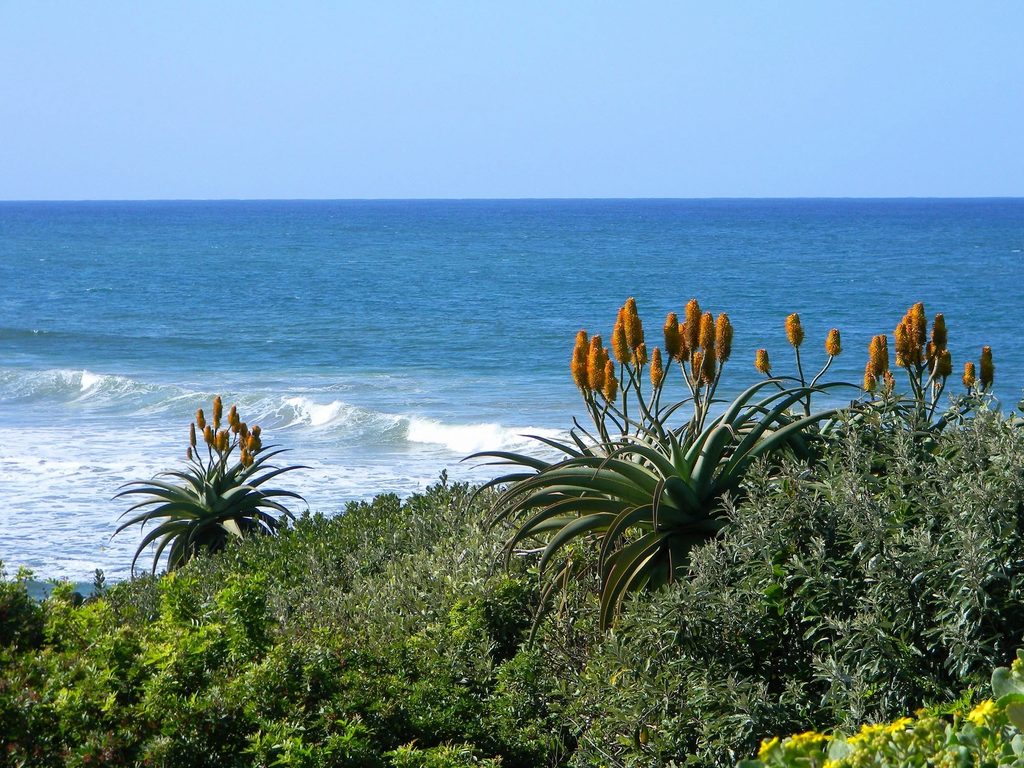
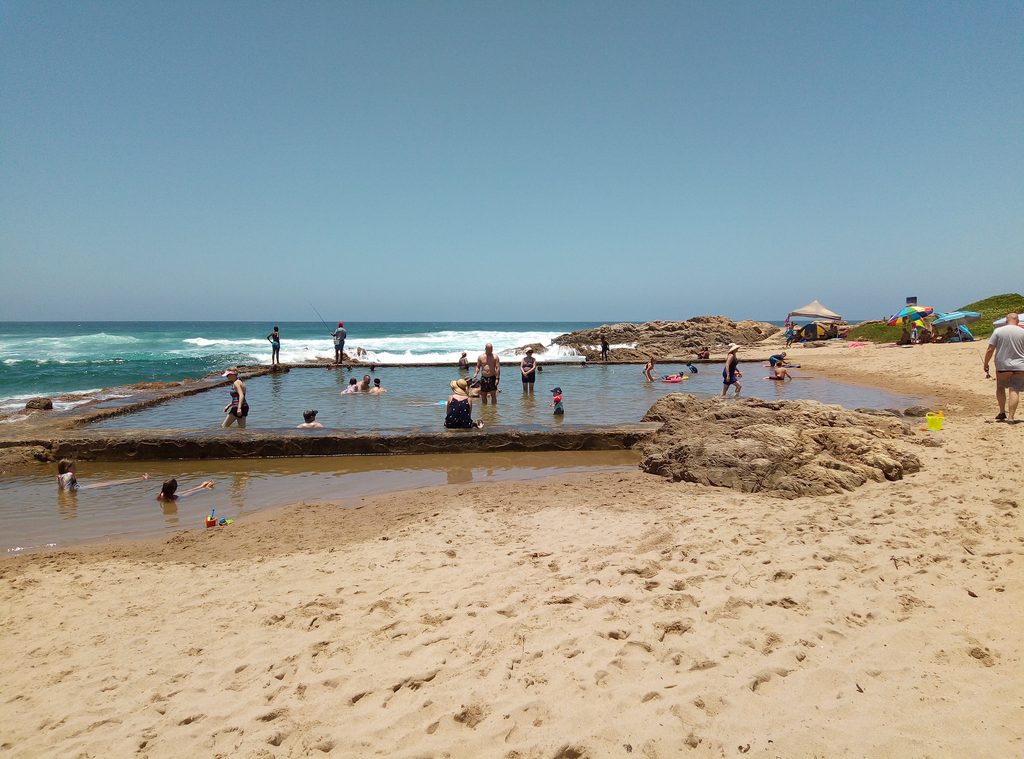
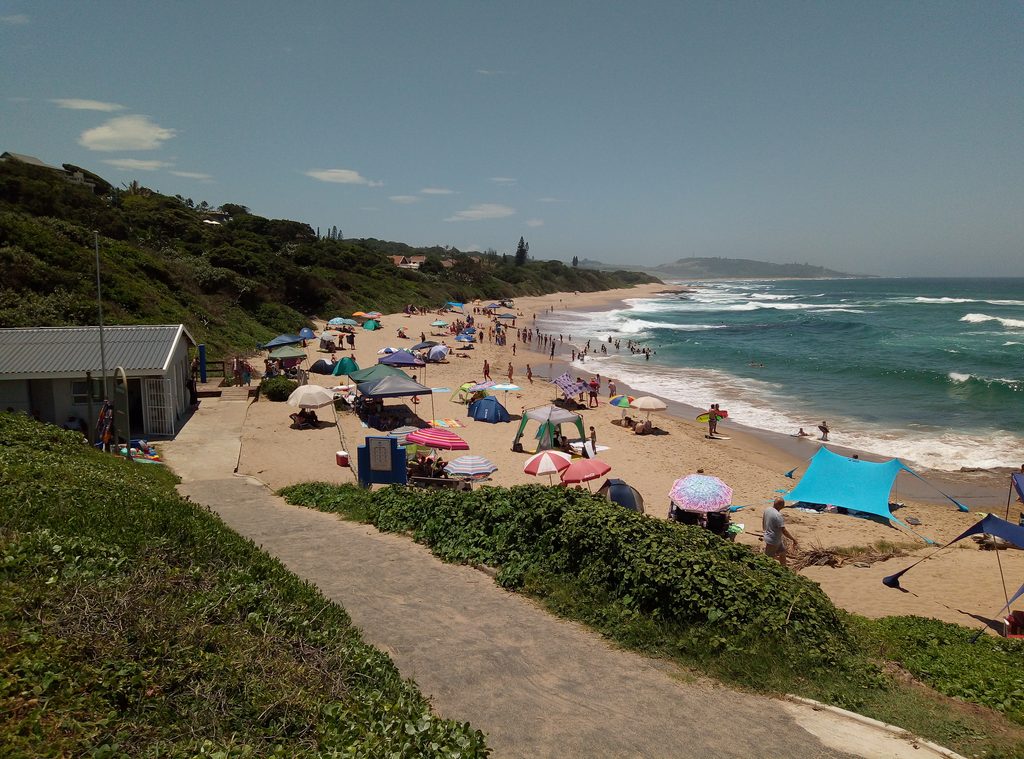
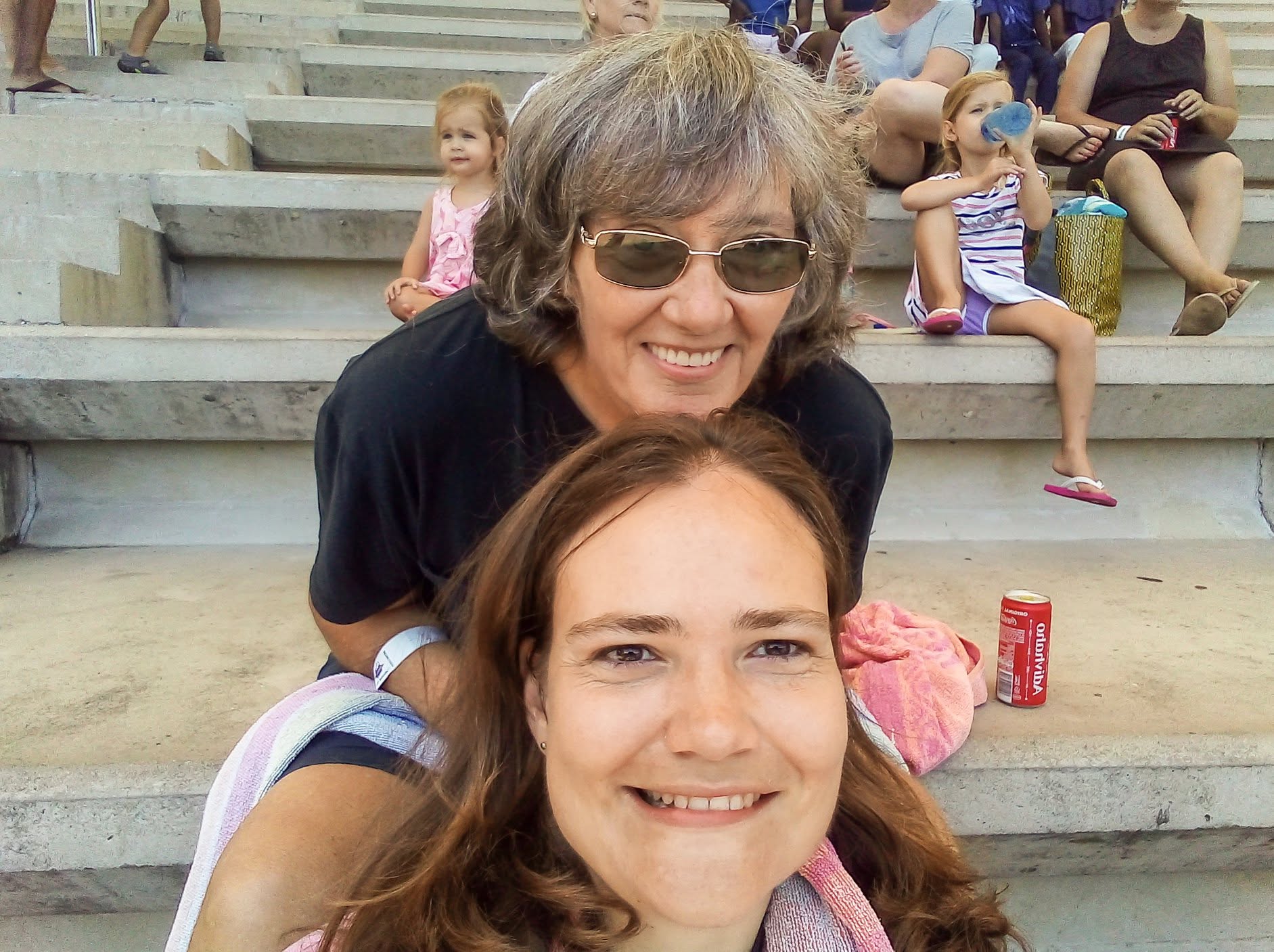
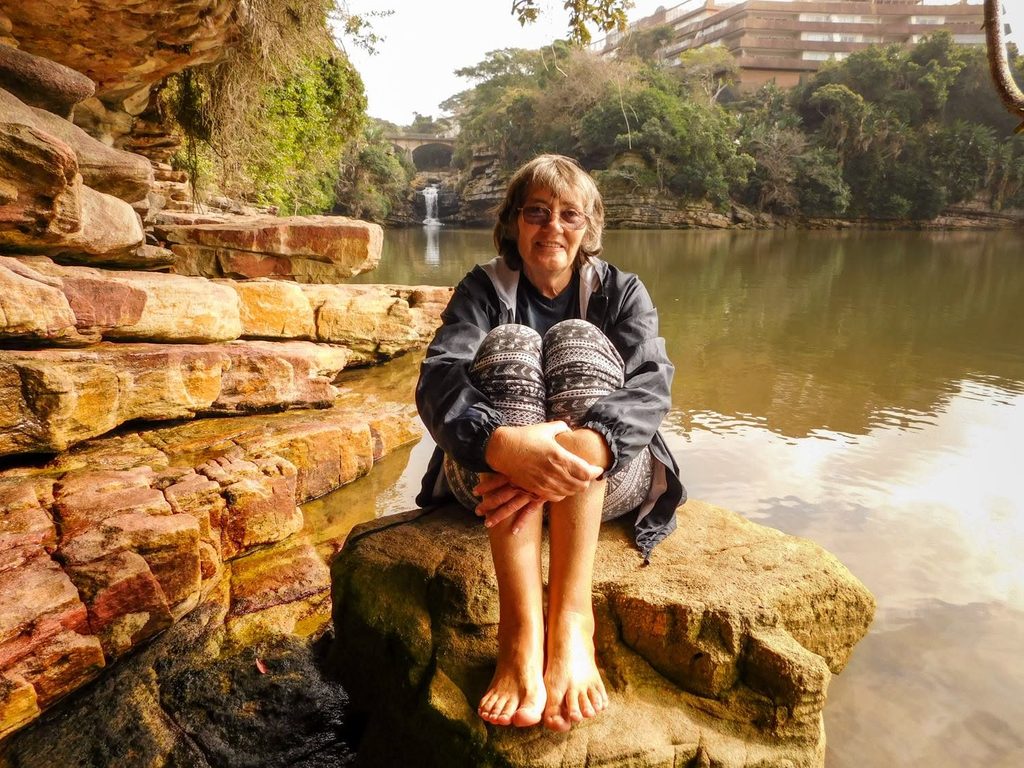
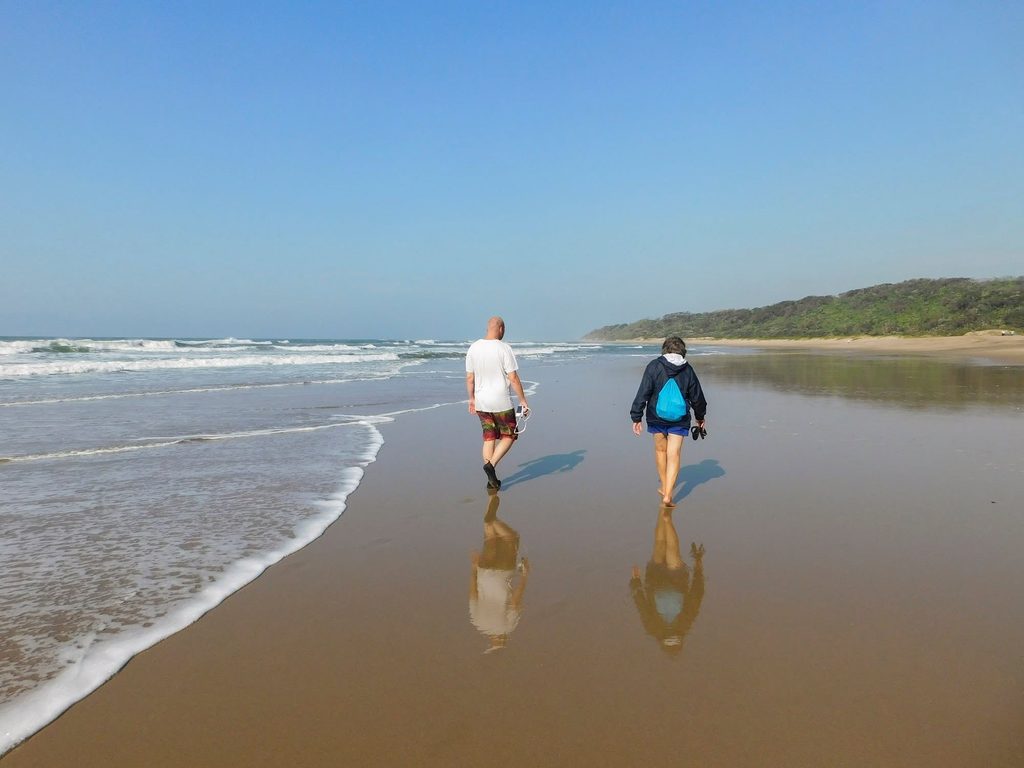
During the COVID era, we were allowed to go fishing at the beach, wherever we could find a promising spot, and every now and then I actually caught something. The children took it rather more seriously and loved going deep-sea fishing.
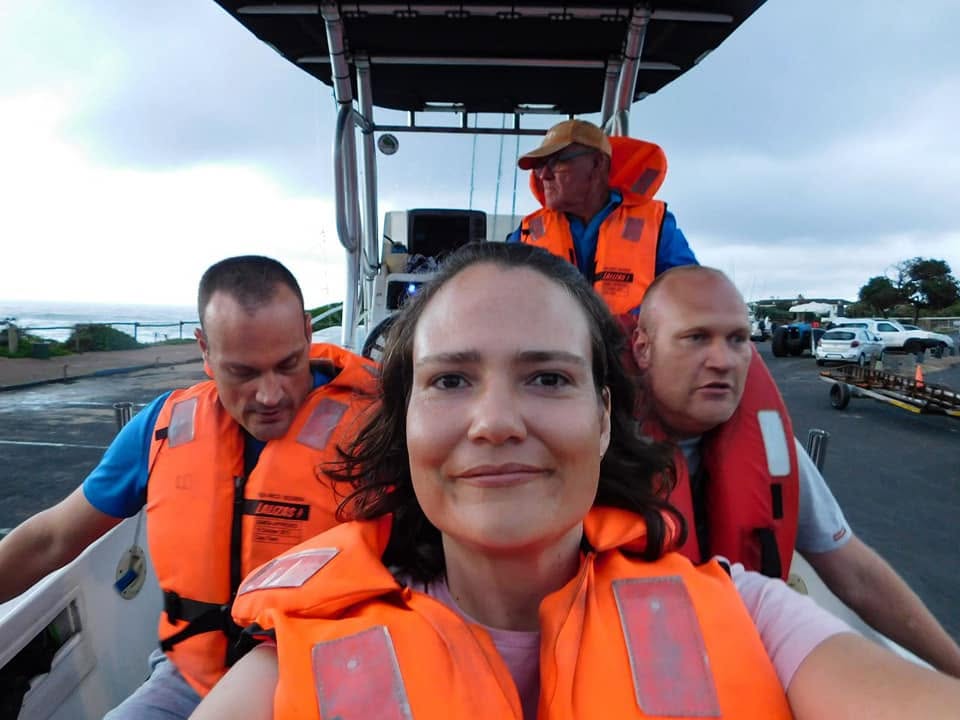
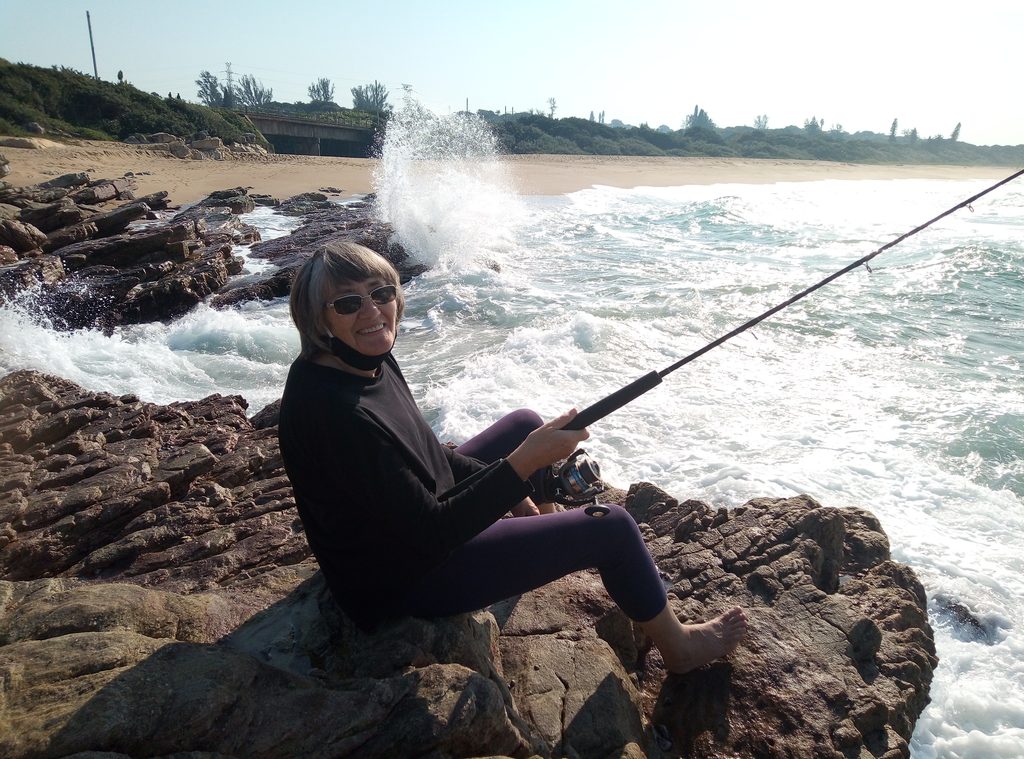
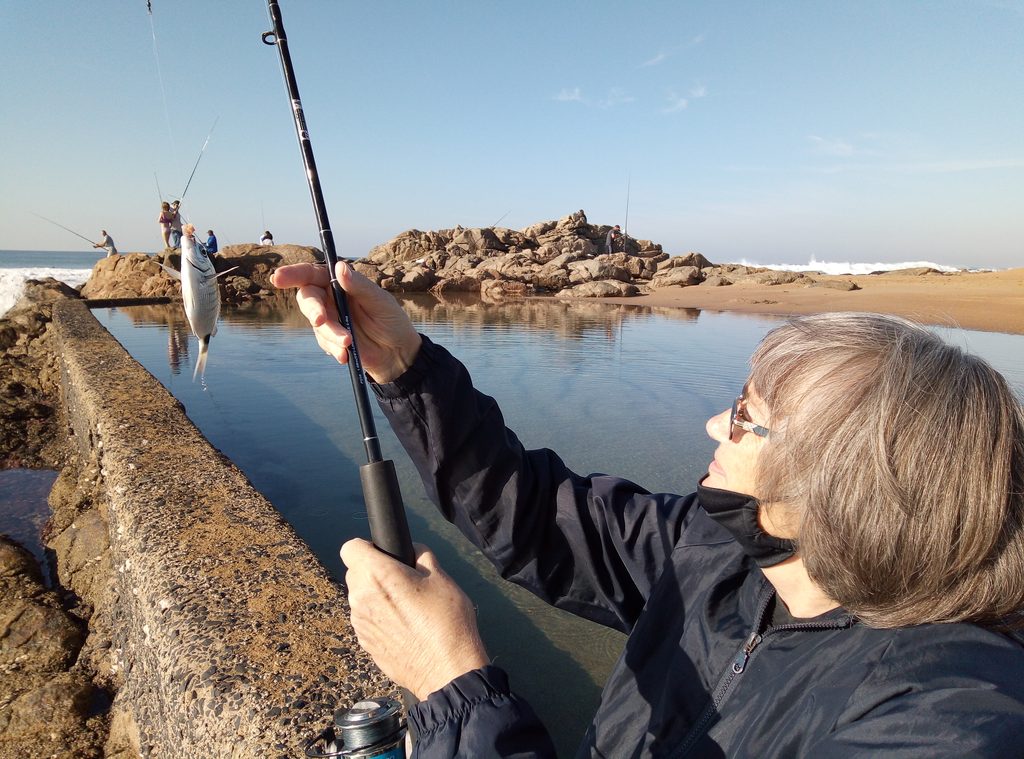
This became our new normal during COVID. And perhaps that is the strange thing about normal. It doesn't always announce itself when it changes.
During COVID, normal had changed for all of us. At first, the change was imposed on us. We couldn't go where we wanted to go. We couldn't see people when we wanted to. Ordinary things suddenly became privileges we had never realised were privileges at all.
Then, eventually, the restrictions lifted. We could go shopping again. We could visit friends. We could travel. We could go wherever we liked. But we were not quite the same people who had gone into lockdown.
I wrote in response to a remark by one of my friends: “COVID caused a mindset change that we embraced as our ‘new normal’.”
I think that was true for many of us, although perhaps we didn't have the words for it at the time. We were forced to slow down, live with uncertainty, and discover how quickly the ordinary things we took for granted could disappear. Somehow, that became our new normal. Not simply because the world had changed, but because we had changed with it.
For me, it brought a reassessment of values and relationships. Some became more precious. Some became less important. Some perhaps simply revealed themselves as they always were.
I became more conscious of time. Of the people I wanted beside me. Of where I wanted to spend my energy. And, in a strange way, COVID gave me permission to stop living entirely by the old rules and make a few new ones of my own.
Perhaps that was why I had so little desire to return to the old life.
We had survived COVID. I had survived the hospital, the nosebleeds and the frightening uncertainty of those weeks. Daniel's health had stabilised enough for us to settle into our new surroundings, and technically nothing was stopping us from packing up, returning from whence we came, and getting on with a new version of the old normal life.
But somehow, neither of us was particularly interested in doing that.
We had discovered that we rather liked this life. There was no great urgency. No rushing off to work, no traffic jams, no timetable that had to be obeyed simply because it had always been there. We had the sea, the beaches, the sunshine and, most importantly, time.
Officially, our holiday was over. But we had found something in that stretched-out holiday that was difficult to give up. We walked. We swam. We fished. We sat beside the sea. We lived from one day to the next. And for a while, that was enough. So our holiday just kept stretching.
But there was another new normal waiting for me. I just didn't know it yet.
Cancer had already taught me that lesson once before. And then COVID happened. A different normal might just be lurking around the corner.
I had been diagnosed with breast cancer in 2001. I had survived the mastectomy, the chemotherapy and everything that followed. For years afterwards, life gradually became ordinary again. Sort of. I learned to live with the memory of cancer without allowing it to occupy every waking moment. But I never completely forgot. I never completely stopped being afraid.
Every routine doctor's visit carried a little echo of the past. Every scan could make my heart beat faster. Every unfamiliar ache, every twinge, every change in my body could make me wonder. Was this something? Or was it nothing?
I had given my fear a name. I called it the Wolf that Follows in My Footsteps.
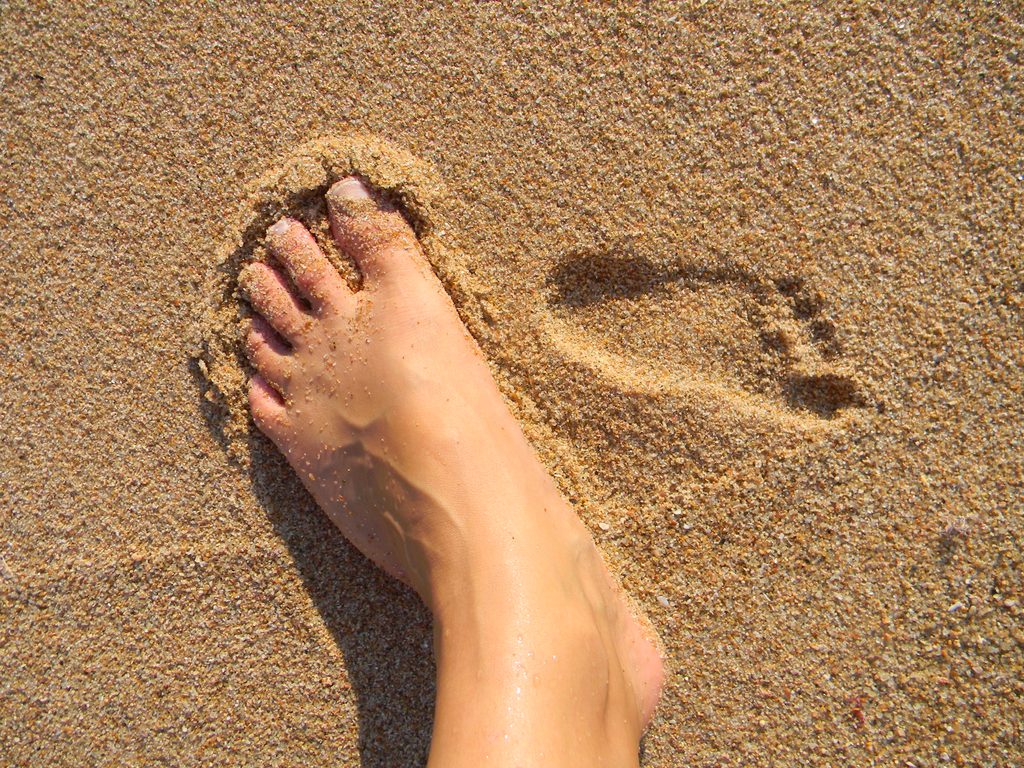
Every now and then I imagined seeing his shadow. Sometimes I thought I could see his paw print in the sand.
And then, one day, while I was fishing on the beach, I felt something that I could not ignore. It was a terrible pain just beneath my ribcage.
I became short of breath. I could not endure the mask over my face. There was not enough oxygen in the air. The only place I could breathe was on the beach. I could walk only a few steps before I was exhausted. I no longer swam in the waves; I just floated in the tide pool. I couldn't cast my fishing tackle. I was tired all the time.
I developed yeast infections. Then I noticed a vaginal discharge that I recognised as something associated with excess oestrogen. Oestrogen—my worst enemy since twenty years ago. Oh God, suddenly I was so scared. And so lonely.
And slowly, almost imperceptibly at first, something inside me began to change. I became depressed. Not because anyone had told me anything. Nobody had. In fact, the doctors were telling me quite the opposite. The tests were negative. The scans were negative. Nothing could be found. There was no diagnosis to explain what I was feeling.
And yet I could feel him.
The Wolf.
He was there.
Biding his time.
Perhaps I was imagining it. Maybe I just strained an abdominal muscle. Perhaps I was frightened because I had been frightened before. Perhaps every ache really was just an ache.
Maybe. Maybe not. That is the hardest place to live.
Facts are easier. A diagnosis is easier. Even bad news is, in some strange way, easier than not knowing. Because once you know what you are dealing with, you can do something about it. But at that point, I knew only this: Something was wrong.
And somewhere in the background, the Wolf had started to sneak a little closer. Following in my footsteps.
Featured image: AI illustration of a grey wolf stalking its prey

Afrikaans: https://thebraidedecho.co.za/af/2026/09/20/opheffing-van-covid-inperkings/
Hester, you write this so vividly that you have your readers walking alongside you. The Wolf – an interesting concept I find.
I think there are certain events in life that that are imprinted on your one’s memory. You don’t forget a single second or impression. The memory is as vivid as a full colour HD film.